Comparing Numbers
You and a friend each grab a handful of grapes — who got more? Deciding which is more is
something you do all day long, and it is exactly what comparing numbers is about.
When we count two groups,
one might have more, one might have fewer, or they might be
the same — exactly equal. The same and equal mean the same thing:
neither group wins. Comparing numbers is just asking which group has more.
We write the answer with three little signs:
> \quad < \quad =
> means greater than,
< means less than, and
= means equal to. So
5 > 3 reads “five is greater than three”,
2 < 4 reads “two is less than four”, and
6 = 6 reads “six is equal to six”.
Here is the trick that makes it easy: the
> and < signs are like a
hungry mouth that always opens toward the bigger number. The pointy
end points at the smaller one.
Match them one-to-one
You do not even need to count to tell which group has more. Just pair them up: one from
this group, one from that group, again and again. Whichever group has something
left over at the end is the one with more.
Here are some cats, and some fish to feed them:

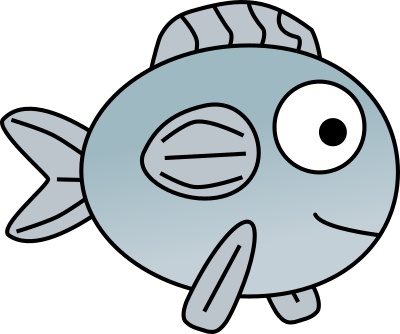
Give each cat one fish. Four cats take four fish — and there is one fish left over.
So there are more fish than cats: 5 > 4. There are
fewer cats than fish: 4 < 5. If every cat had got exactly one
fish with none left over, the two groups would be equal.
Bigger numbers are further along
A number line lays the numbers out in order, smallest on the left and growing as
you go right. So comparing two numbers is easy: whichever one is further to the right
is the bigger one. You can see which is greater without counting anything.
Here 7 sits well to the right of 3, so
7 > 3. The further right, the bigger.
Press play. Two rows of dots appear side by side — one row may have more than the other.
We count them, then the correct sign grows in between, its open mouth turning toward the
larger pile. Replay it: each time the two numbers are different, so the sign may flip.
Which row has more?
Look carefully: the top row has big counters and the bottom row has
small ones. The size does not matter at all — only how many there are.
Count each row and read the answer underneath. Press Refresh for a new pair.
A few comparisons
Once you can count two groups, every pair of numbers compares the same way:
- 8 > 5 — eight is the bigger pile, so the mouth opens toward the 8.
- 4 < 9 — nine is bigger, so the mouth opens toward the 9 (and the
point aims at the little 4).
- 6 = 6 — same amount on both sides, so we use the equals sign: neither
one is greater.
- Comparing numbers is about how many things, not how big each thing is.
3 elephants is fewer than 5 ants — in number — even though each elephant is
enormous. Count the things; ignore their size.
- The same means equal. When two groups have exactly the same amount, neither is
greater — we write =, not > or
<.
Three rhinos look mighty next to six little ducks — but which is more in number?

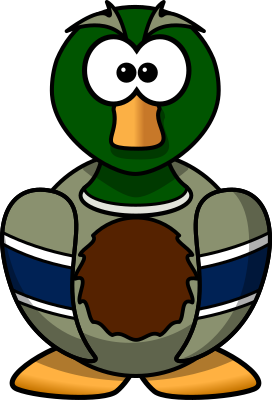
Six ducks beats three rhinos: 6 > 3. The ducks are the bigger
number, even though each rhino is the bigger animal.
Pair these apples with these stars, one for one:


Every apple finds exactly one star, and nothing is left over on either side. The two groups
are equal: 4 = 4. That is what the equals sign means —
a perfect match with no leftovers.
Khan Academy explains the greater-than and less-than symbols here: