Comparing Length, Mass and Capacity
Look at two pencils on your desk. Without measuring anything, you can still tell straight
away which one is longer and which one is shorter — just
by looking, or by placing them side by side. That is comparing, and it is
one of the very first things mathematicians learn to do.
You already know how to
count
how many things there are in a pile. Comparing is a close cousin of counting: instead of
working out how many things are in one group, you look at two
things and decide which one wins — which is longer, which is heavier, or
which holds more.
On this page we compare three different ways: how long things are, how
heavy things are, and how much things hold. No numbers,
no rulers, no scales with tiny markings — just careful looking, careful lining-up, and
careful holding.
Longer, shorter, or the same?
The fairest way to compare two lengths is to put them side by side,
starting from the same line. Two pieces of string, two pencils, two
towers of blocks — line up their starting ends, and whichever one reaches further is the
longer one. The one that doesn't reach as far is the
shorter one. If they reach exactly the same place, they are the
same length.
Here are two bars lined up at the same starting line (the faint vertical line on the
left). Press Refresh to see a brand-new pair and read which one is
longer.
Another way to see it: count the blocks
Sometimes you can compare heights by counting instead of just looking.
Build two towers out of blocks, stacking them from the same table top. Whichever tower has
more blocks is the taller one — you don't even need to
stand them next to each other to know.
It's a trick question! A single feather is much, much lighter than a single stone —
that's true. But a huge, overflowing bag of feathers can easily be
heavier than one tiny stone, simply because there is so much more of
it.
What matters isn't what something is made of — it's how heavy that
particular thing actually is. The only way to really know is to check,
by holding both in your hands or putting them on a balance. Never guess just from the
material.
The two traps that catch out new comparers:
-
Line things up fairly before you compare. If two bars don't start
from the same place, the shorter one can look longer just because it sticks
out further at the other end. Always start from the same line.
-
Big doesn't always mean heavy. A big, fluffy toy full of air can be
much lighter than a small, solid stone. Don't judge how heavy something is by
how big it looks — pick both things up, or put them on a balance, to find out for
sure.
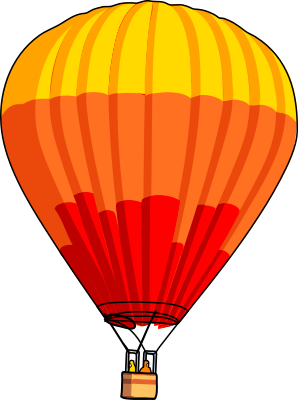 vs
vs
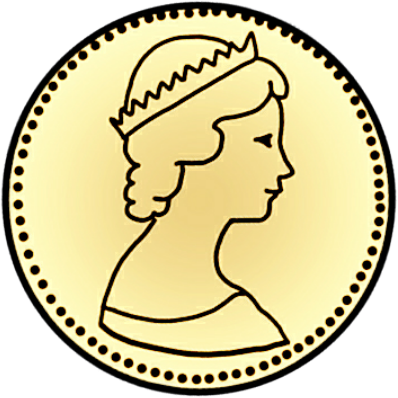
The balloon looks much bigger — but the little coin is heavier!
Heavier or lighter?
Hold one toy in each hand and close your eyes. Which hand feels like it's being pulled
down harder? That hand is holding the heavier thing. The other hand,
holding the lighter thing, feels like it's being pulled down less.
Grown-ups use a special tool for this called a balance. It has a pan on
each side. Put one object in each pan and watch what happens: the side with the
heavier object always dips down, and the side with the
lighter object rises up. If neither side moves, the two
objects weigh exactly the same. Press Refresh to try two new objects —
watch out, the bigger-looking blob isn't always the heavier one!
Holds more, or holds less?
Capacity just means how much a container can hold. Fill a cup right to
the brim with water, then carefully pour it into a different cup. If the water
overflows before the second cup is even full, the first cup held
more — its capacity was bigger. If the second cup still has empty space
left after you've poured it all in, the first cup held less.
Below are two cups, both filled right up. Which one do you think holds more water
altogether? Notice that a short, wide cup can sometimes hold more than a
tall, thin one — the tallest cup isn't always the biggest!
Right now, all of this is about comparing by eye and by hand — no numbers needed at all.
One day soon you'll learn to put an actual number on all of it: how many
centimetres long something is, how many grams it weighs, how many millilitres a cup holds.
That's called
Length, Mass and Capacity, and it's a great next step once comparing feels easy. For now, comparing by eye and by
hand is the whole game — and you're already very good at it.